


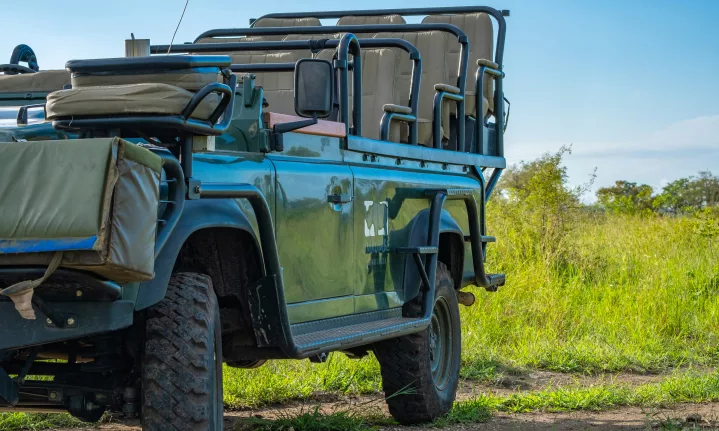
A locally developed electric safari vehicle is proving that quieter game drives and cleaner tourism can go hand in hand. Unveiled in Kruger National Park, the Thula Electric Safari Vehicle represents a significant step for South African innovation and sustainable safari experiences.
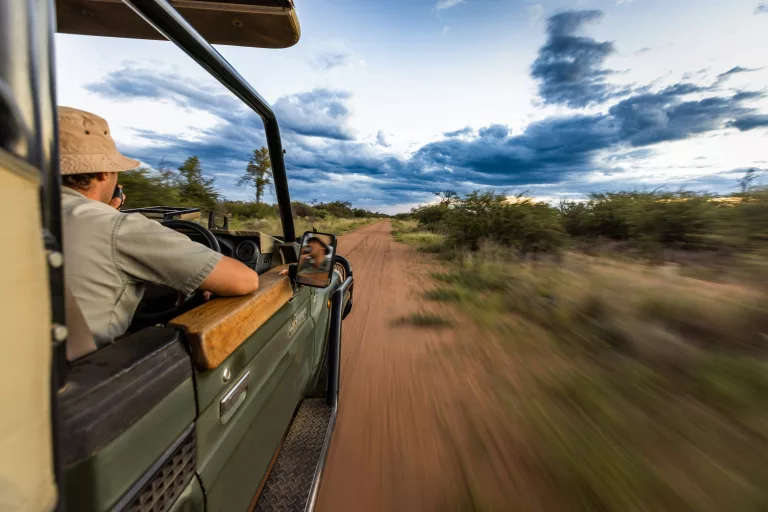
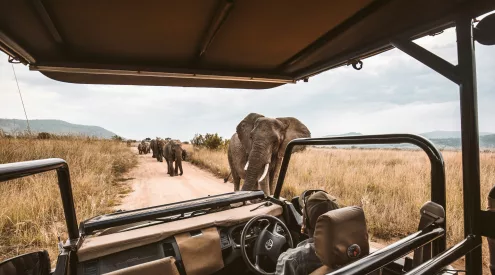
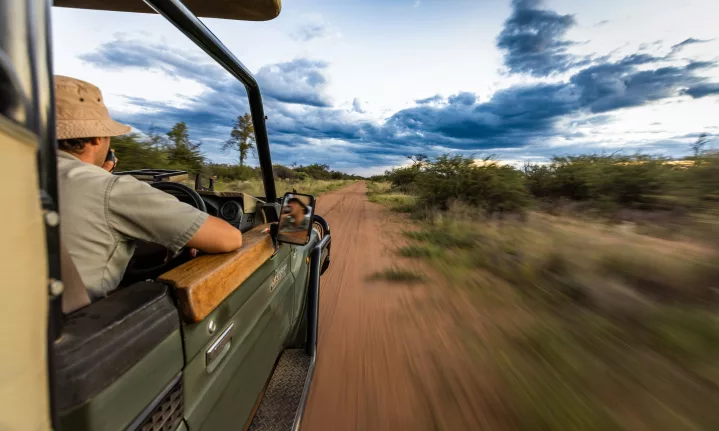
Photo by Urban redcharlie / Unsplash / Illustrative purposes only
A quieter way to experience the bush
There is something unforgettable about hearing the African bush wake up. The distant call of a fish eagle, the rustle of grass as antelope move through the veld, or the low rumble of elephants somewhere beyond the trees. Yet for decades, those moments have often been accompanied by the steady growl of a diesel engine.
A new South African innovation hopes to change that.
The Thula Electric Safari Vehicle (ESV), described as the country’s first purpose-built all-electric game drive vehicle, was recently unveiled during the Southern African Sustainable Energy Conference (SASEC) in Skukuza, Kruger National Park. Developed specifically for African safari conditions, the vehicle is designed to deliver a quieter, cleaner and more immersive wildlife experience while showcasing local engineering expertise.
Built in South Africa, for South African safaris
Unlike many electric vehicles currently operating in tourism, the Thula ESV was not converted from an existing 4×4. It was engineered from the ground up as a safari vehicle.
Founded by entrepreneur Gary Davies, the project aims to meet the unique demands of African game reserves while keeping production largely local. Most of the vehicle has been manufactured in South Africa, with only the electric motors and a small number of specialised components imported.
The vehicle is powered by a 65 kWh battery that offers an estimated range of around 200 kilometres. According to the developers, that is enough for approximately three days of normal safari operations before recharging, particularly at lodges that already make use of solar energy.
Why silence matters on safari
The name Thula, which means “be quiet” or “be still” in Nguni languages, reflects exactly what the vehicle hopes to achieve.
Without the noise of a diesel engine, guides can continue speaking while driving and guests are able to hear the sounds that often define a safari experience. Birds calling overhead, insects buzzing through the grass and the distant movements of wildlife become part of the journey rather than background noise.
The absence of exhaust fumes also creates a more comfortable experience for both guides and visitors.
More than an electric vehicle
Beyond improving the game drive experience, the project showcases what South African collaboration can achieve.
The chassis was developed alongside researchers from the University of Pretoria’s Vehicle Dynamics Group, while Cape Town-based Balancell supplied the battery technology. Funding from the Industrial Development Corporation (IDC) has also helped move the project beyond the prototype stage.
The team hopes to eventually manufacture around 50 vehicles per month through a dedicated production facility.
Could electric game drives become the norm?
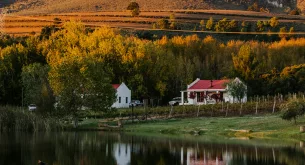
Safari lodges across Southern Africa are increasingly investing in renewable energy and looking for practical ways to reduce their environmental footprint.
Electric safari vehicles could become a natural extension of that shift, particularly at off-grid lodges already powered by solar energy. While challenges such as charging infrastructure, purchase costs and scaling production remain, the Thula ESV demonstrates that sustainable safari transport is becoming a realistic option rather than a distant idea.
For travellers, that could mean a future where the loudest thing on a morning game drive isn’t the engine, but the call of a fish eagle echoing across the bush.
Follow us on social media for more travel news, inspiration, and guides. You can also tag us to be featured.
Instagram | Facebook | Twitter | Spotify
ALSO READ:
Winter safari guide: 10 animals easier to spot in the dry season